

Photograph record
Photos — 2023-11-29 e8ba949e
Publication and verification boundary
Preserved public text
Photos
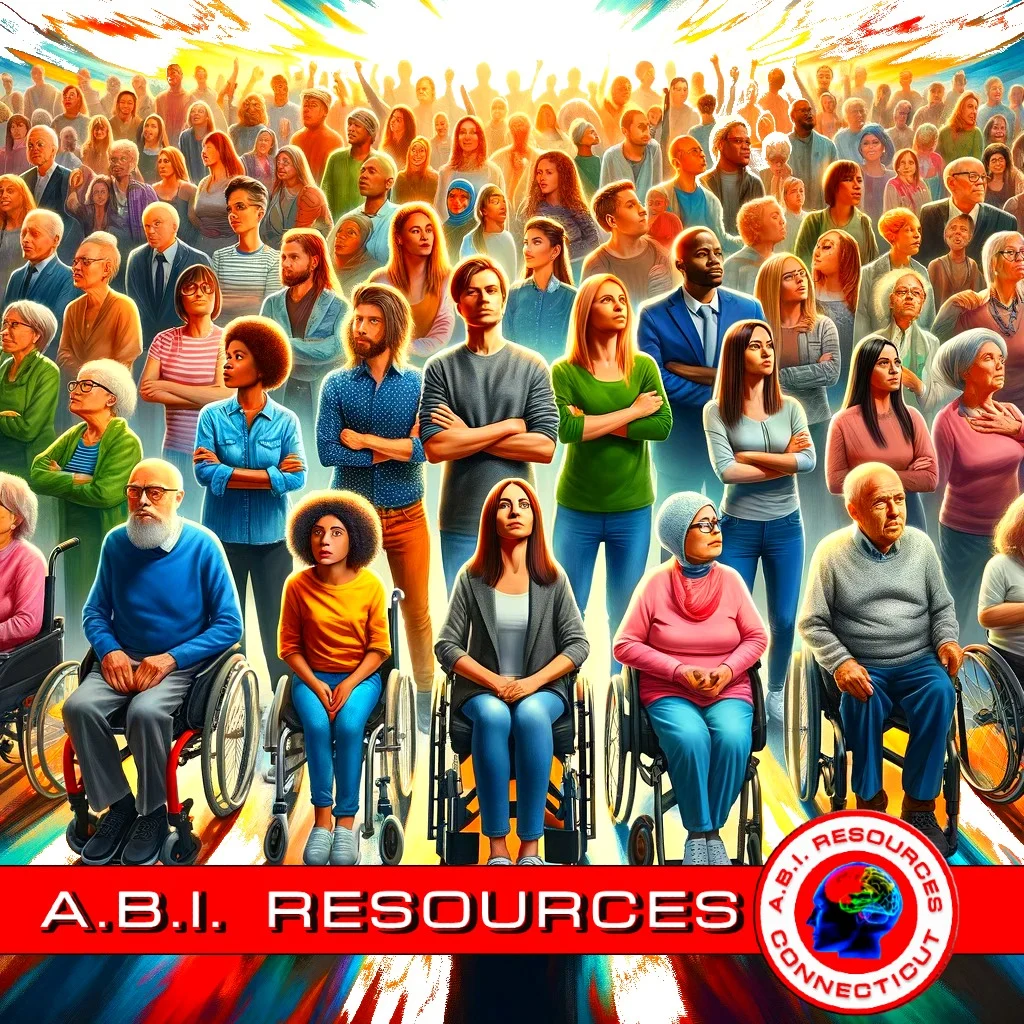
Discrimination against persons with disabilities can often stem from a lack of awareness or understanding of their needs, rights, and the services or benefits available to them. This can manifest in various ways, especially when individuals face challenges related to memory or communication. Here are some of the top ways such discrimination can occur: Withholding Information: Individuals may not receive full or accurate information about the services, benefits, or accommodations they are entitled to. This can be due to service providers or authorities either not being fully informed themselves or intentionally withholding information. Complexity of Systems: The complexity and bureaucracy of state and federal systems can be overwhelming, especially for individuals with disabilities. Navigating these systems often requires understanding of legal terms and procedures, which can be a significant barrier. Assumptions Based on Disability: There can be prejudiced assumptions about a person's abilities or needs based on their disability. For instance, assuming that someone with a communication challenge doesn't understand information, leading to oversimplification or non-disclosure of important details. Lack of Accessible Communication: Information is often not provided in accessible formats. For people with memory or communication challenges, this can mean the absence of easy-to-understand language, sign language interpretation, or written documentation of verbal communications. Inadequate Training of Staff: Staff members at various organizations may not be properly trained to assist or communicate effectively with people with disabilities, leading to miscommunication or a lack of assistance. Dependence on Advocates: Individuals who require assistance in self-advocacy may depend on others to understand and claim their rights. If these advocates (be they family, friends, or appointed) are not well-informed, the person's rights and access to services can be compromised. Failure to Make Reasonable Accommodations: Organizations or institutions may fail to make necessary adjustments or accommodations, either due to ignorance of the law or an unwillingness to modify practices, which can indirectly discriminate against individuals with disabilities. Exclusion from Decision Making: People with disabilities are often excluded from discussions or decisions that directly affect them, especially in cases where communication challenges are present. This exclusion is a form of discrimination as it denies them the opportunity to have input on matters that impact their lives. Barrier in Legal Recourse: Seeking legal recourse for discrimination or denial of rights can be particularly challenging due to the complexity of legal processes, costs involved, and the need for specialized legal representation. Social Stigma and Stereotyping: Social stigma and stereotyping can lead to discrimination in subtle ways, where people with disabilities are not provided with information or opportunities simply because of societal biases and misconceptions about their capabilities. Addressing these issues requires systemic change, including better training, more accessible information, simplified procedures, and a cultural shift towards greater inclusivity and understanding of the diverse needs of people with disabilities. ABI Resources Medicaid / ABI Waiver Program / MFP Money Follows the Person Connecticut https://www.CTbrainINJURY.com
Associated photographs
Provenance and integrity
- Permanent record ID
- Source package identity
- Source record SHA-256
- Hashed source-file relationship