

Post
"Mind Matters: Navigating the Pros and Cons of Traumatic Brain Injury Care in Emergency Rooms" Traumatic brain injuri…
Publication and verification boundary
Preserved public text
ABI Resources added a new photo.
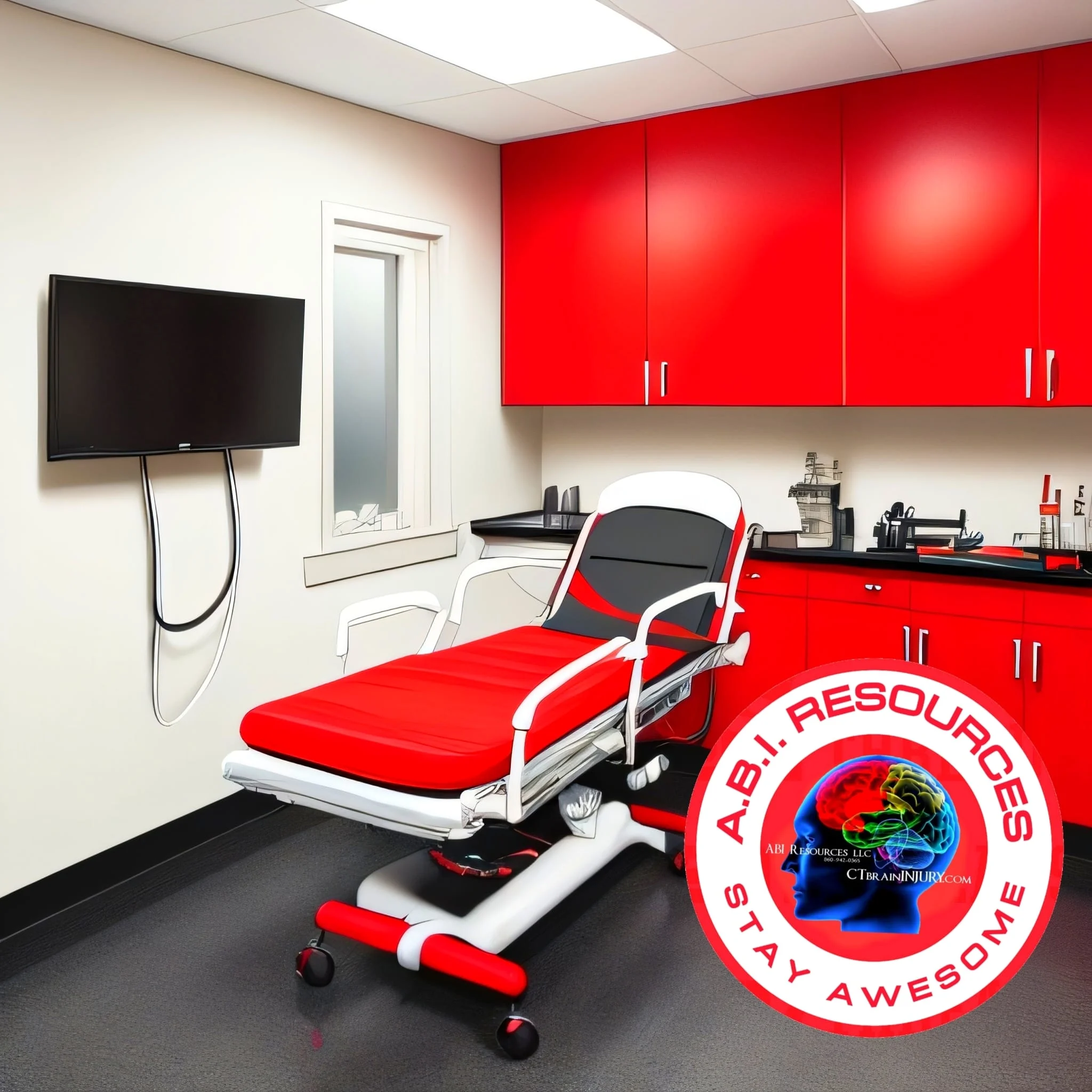
"Mind Matters: Navigating the Pros and Cons of Traumatic Brain Injury Care in Emergency Rooms" Traumatic brain injuries (TBIs) can be life-altering, and it's crucial that emergency room staff provide the best possible care for patients who have experienced them. By following a few key steps, emergency room staff can ensure that they are providing the most effective treatment and compensation for patients with TBIs. First, it's essential to quickly and accurately diagnose the injury. This means conducting a thorough evaluation of the patient's symptoms and history, using diagnostic tools such as CT scans or MRIs, and consulting with specialists if necessary. By identifying the type and severity of the injury early on, staff can develop an appropriate treatment plan and avoid potential complications. Second, emergency room staff should prioritize patient safety and comfort. This means taking steps to prevent further injury, such as stabilizing the patient's neck and head, and providing pain relief and other supportive care. Staff should also take the time to explain the diagnosis and treatment plan to the patient and their loved ones, and answer any questions they may Emergency rooms (ERs) are often the first point of contact for individuals with traumatic brain injuries (TBIs). While ERs can provide life-saving care, there are both pros and cons to receiving TBI care in this setting. Pros: Rapid response: ERs are designed to provide immediate, emergency care, and TBI treatment often requires quick action to prevent further damage. By receiving TBI care in an ER, patients can receive rapid treatment, which can improve their chances of a successful recovery. Availability of specialists: ERs have access to a variety of medical specialists, including neurologists, neurosurgeons, and other experts who can provide specialized care for TBIs. Advanced medical technology: ERs are equipped with advanced medical technology, such as CT scans and MRIs, which can help diagnose and monitor TBIs. This technology can provide more accurate and timely diagnoses, which can lead to better outcomes for patients. 24/7 care: ERs are staffed around the clock, which means that patients with TBIs can receive care at any time, regardless of when the injury occurred. Cons: Lack of specialized resources: While ERs have access to specialists and advanced medical technology, they may not have the specialized resources necessary to provide comprehensive TBI care. This can lead to delays in treatment or the need for patients to be transferred to another facility for further care. High patient volume: ERs can be very busy, and patients with TBIs may have to wait to receive care. This can be particularly concerning for patients with severe TBIs, who may require immediate attention. Short-term focus: ERs are designed to provide emergency care, and while they can provide life-saving treatment for TBIs, they may not be able to provide ongoing care or support for patients after they leave the ER. Limited access to rehabilitation: TBIs can cause long-term damage that requires ongoing rehabilitation and support. However, ERs may not have the resources or infrastructure to provide this type of care, which can lead to long-term complications for patients. In conclusion, while ERs can provide rapid and advanced care for patients with TBIs, they may not have the specialized resources or focus on long-term care that some patients require. It's important for patients and their loved ones to carefully consider the pros and cons of TBI care in an ER and work with their healthcare provider to determine the best course of treatment ABI Resources Connecticut HTTPS://WWW.CTBRAININJURY.COM
Mobile uploads
"Mind Matters: Navigating the Pros and Cons of Traumatic Brain Injury Care in Emergency Rooms" Traumatic brain injuries (TBIs) can be life-altering, and it's crucial that emergency room staff provide the best possible care for patients who have experienced them. By following a few key steps, emergency room staff can ensure that they are providing the most effective treatment and compensation for patients with TBIs. First, it's essential to quickly and accurately diagnose the injury. This means conducting a thorough evaluation of the patient's symptoms and history, using diagnostic tools such as CT scans or MRIs, and consulting with specialists if necessary. By identifying the type and severity of the injury early on, staff can develop an appropriate treatment plan and avoid potential complications. Second, emergency room staff should prioritize patient safety and comfort. This means taking steps to prevent further injury, such as stabilizing the patient's neck and head, and providing pain relief and other supportive care. Staff should also take the time to explain the diagnosis and treatment plan to the patient and their loved ones, and answer any questions they may Emergency rooms (ERs) are often the first point of contact for individuals with traumatic brain injuries (TBIs). While ERs can provide life-saving care, there are both pros and cons to receiving TBI care in this setting. Pros: Rapid response: ERs are designed to provide immediate, emergency care, and TBI treatment often requires quick action to prevent further damage. By receiving TBI care in an ER, patients can receive rapid treatment, which can improve their chances of a successful recovery. Availability of specialists: ERs have access to a variety of medical specialists, including neurologists, neurosurgeons, and other experts who can provide specialized care for TBIs. Advanced medical technology: ERs are equipped with advanced medical technology, such as CT scans and MRIs, which can help diagnose and monitor TBIs. This technology can provide more accurate and timely diagnoses, which can lead to better outcomes for patients. 24/7 care: ERs are staffed around the clock, which means that patients with TBIs can receive care at any time, regardless of when the injury occurred. Cons: Lack of specialized resources: While ERs have access to specialists and advanced medical technology, they may not have the specialized resources necessary to provide comprehensive TBI care. This can lead to delays in treatment or the need for patients to be transferred to another facility for further care. High patient volume: ERs can be very busy, and patients with TBIs may have to wait to receive care. This can be particularly concerning for patients with severe TBIs, who may require immediate attention. Short-term focus: ERs are designed to provide emergency care, and while they can provide life-saving treatment for TBIs, they may not be able to provide ongoing care or support for patients after they leave the ER. Limited access to rehabilitation: TBIs can cause long-term damage that requires ongoing rehabilitation and support. However, ERs may not have the resources or infrastructure to provide this type of care, which can lead to long-term complications for patients. In conclusion, while ERs can provide rapid and advanced care for patients with TBIs, they may not have the specialized resources or focus on long-term care that some patients require. It's important for patients and their loved ones to carefully consider the pros and cons of TBI care in an ER and work with their healthcare provider to determine the best course of treatment @[100028835755889:2048:ABI Resources Connecticut] HTTPS://WWW.CTBRAININJURY.COM
Associated photographs
Provenance and integrity
- Permanent record ID
- Source package identity
- Source record SHA-256
- Hashed source-file relationship