

Post
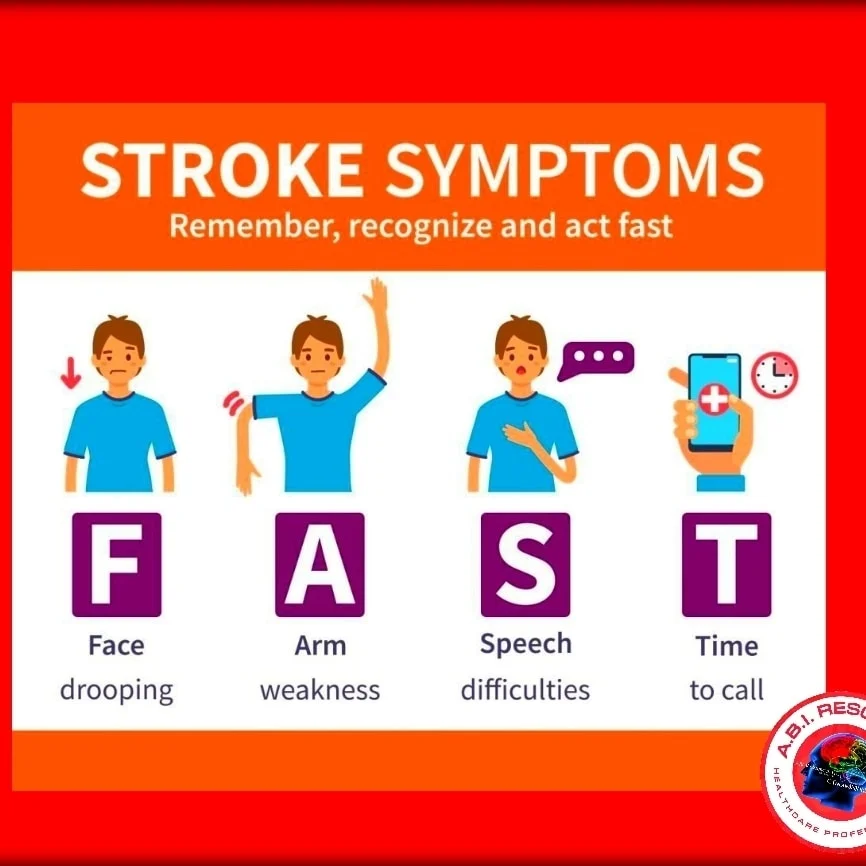
F.A.S.T is an acronym used for recognizing and responding to the sudden warning signs of stroke. The letters stand fo… — 2022-08-23 99ecedb6
Publication and verification boundary
Preserved public text
ABI Resources added a new photo.
F.A.S.T is an acronym used for recognizing and responding to the sudden warning signs of stroke. The letters stand for: Face Dropping – Ask the person to smile. Does one side of the face droop or is it numb? Arm Weakness– Ask the person to raise both arms. Is one arm weak or numb? Does one arm drift downward? Speech Difficulty– Ask the person to repeat a simple sentence, like “the sky is blue.” Is the sentence repeated correctly? Are they unable to speak, or are they hard to understand? Time to call 9-1-1– If the person shows any of these symptoms, even if the symptoms go away, call 9-1-1 and get them to the hospital immediately. ABI RESOURCES #strokesurvivor #strongertogether #family #connecticut #newengland
Mobile uploads
Associated photographs
Provenance and integrity
- Permanent record ID
- Source package identity
- Source record SHA-256
- Hashed source-file relationship