

Photograph record
Mobile uploads — 2021-04-02 aca94d6a
Publication and verification boundary
Preserved public text
Mobile uploads
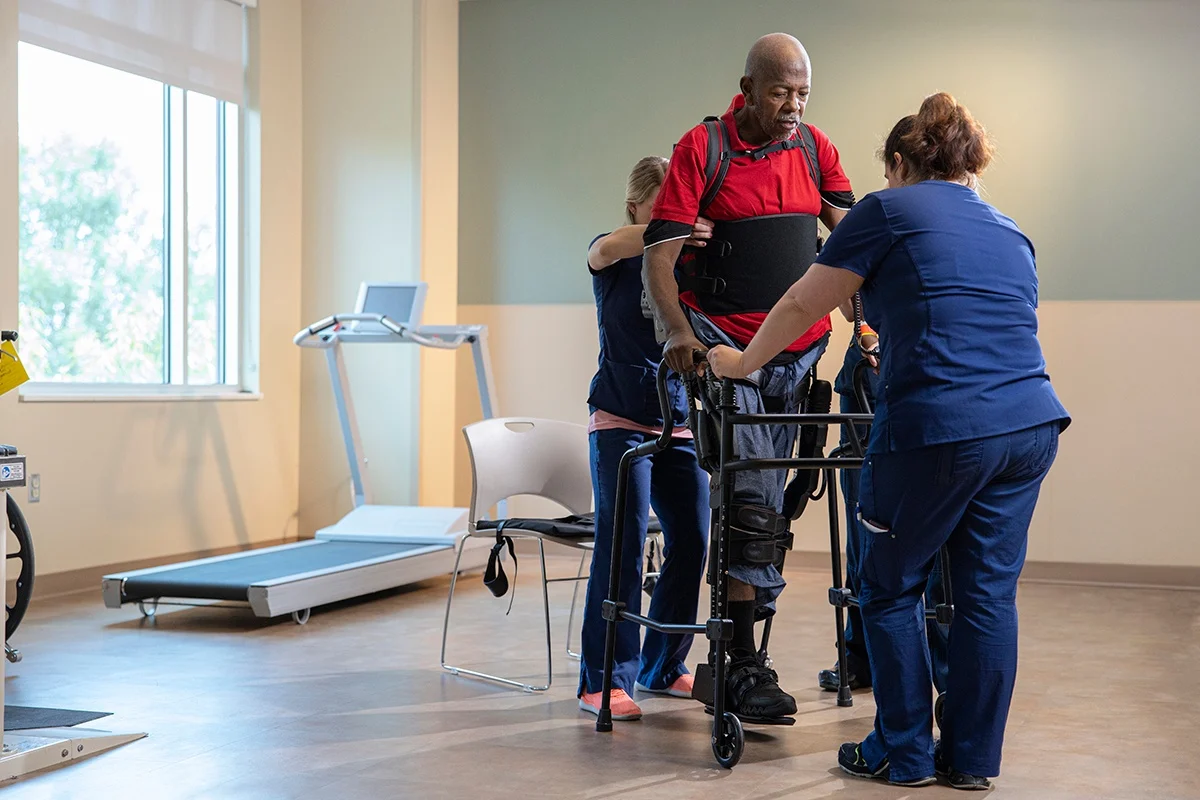
6 Tips for the Best Possible Stroke Recovery Stroke can change your life in an instant. It’s one of the most common causes of disability and the fifth-leading cause of death in the U.S. Recovery can be a long process of relearning just about everything – from speaking, reading and walking to how to eat independently. Starting the right rehabilitation program as soon as possible may help survivors recover better. “The residual impact of a stroke can vary widely between patients in terms of deficits and severity,” said Pamela Duncan, Ph.D., FAHA, American Stroke Association volunteer and professor of neurology at Wake Forest Baptist Health in Winston-Salem, N.C. “A rehabilitation program designed for you, where you need it, whether at a hospital or at home, is critical.” The American Stroke Association’s Together to End Stroke initiative, nationally sponsored by Kindred Hospital Rehabilitation Services, offers these six recovery tips for stroke survivors and their caregivers: Ask your doctor to assess the physical and cognitive challenges you face after stroke and provide a specific plan to address each challenge. Work with your doctor on a plan to manage your risk of having another stroke. This may include being more active, quitting smoking and managing your blood pressure. Start your personalized rehabilitation program as soon as your medical team gives you the OK. Early rehabilitation matters. Recovery can take years, but the most rapid progress usually occurs during the first three months after a stroke. Ask your medical team what the best local rehab options are for you. American Heart Association guidelines recommend inpatient rehabilitation for patients who are eligible for it. But successful rehabilitation can happen anywhere, from a formal rehab facility to the comfort of your own home. Talk with your health care providers about any financial issues, such as ability to pay for medications. They can help you make a plan and identify community resources.
Associated photographs
Provenance and integrity
- Permanent record ID
- Source package identity
- Source record SHA-256
- Hashed source-file relationship