
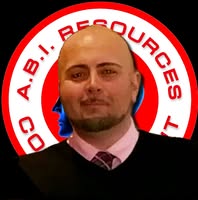
Jenna Giacomi: The "Enforcer" of the Denial Engine
How the DSS Office of Quality Assurance Became the Shield for Nationwide Medicaid HCBS Fraud
Disclaimer:
This article is based on forensic evidence from the “Medeiros Archive” (2015–2026, including timestamped emails, audit logs, FOIA responses, server logs, and delivery confirmations), public records, official DSS statements, whistleblower testimony, and my personal experiences as a TBI survivor and advocate. It is intended to highlight what I believe are systemic failures in Connecticut’s Medicaid oversight patterns of selective enforcement, retaliatory audits, and institutional barriers that undermine program integrity, ADA compliance, and democratic accountability. All statements are protected under the First Amendment of the U.S. Constitution as free speech on matters of public concern. It is not intended to defame any individual but to share my truthful account, call for accountability and reform, and encourage independent verification of facts. Readers are encouraged to verify facts independently through sources like the Connecticut
Department of Social Services website, the National Health Care Anti-Fraud Association (NHCAA) roster, public audit reports from the CT Auditors of Public Accounts, GAO/CMS reports on Medicaid integrity (e.g., GAO-23-105427), or related legal analyses from organizations such as the Bazelon Center for Mental Health Law, the ACLU of Connecticut, or the Reporters Committee for Freedom of the Press. Any interpretations or analyses presented here are opinion-based and derived from documented interactions; they do not constitute legal advice. If you have experienced similar issues with DSS audits or Medicaid compliance, consult a qualified attorney specializing in healthcare fraud or disability rights. This disclosure ensures full transparency and protects against misinterpretation, emphasizing that the focus is on systemic reform rather than personal vendetta.
The Facts: Who, What, When, Where, and How
Jenna Giacomi is the Director of the Office of Quality Assurance at the Connecticut Department of Social Services (DSS). She holds the Accredited Health Care Fraud Investigator (AHFI) credential from the National Health Care Anti-Fraud Association advanced training specifically in detecting billing irregularities, kickbacks, ghost services, and steering in Medicaid programs, including HCBS waivers.
Who: Jenna Giacomi, Director, Office of Quality Assurance, DSS, Hartford, CT.
What: Giacomi’s office operates a system of asymmetric enforcement: exhaustive, resource-draining audits on whistleblowers (ABI Resources) while providing “clean” findings or no audits for favored providers accused of the very fraud patterns her AHFI training equips her to identify.
When: Since at least 2020 under her leadership, escalating after 2023 whistleblower reports: retaliatory audits timed to disclosures, no corrective action on documented irregularities, continued certification of non-compliant networks.
Where: DSS headquarters (55 Farmington Avenue, Hartford, CT) the office that controls program integrity audits, federal Medicaid funding flows, and compliance for the ABI Waiver.
How: Through selective audit initiation (targeting complainants, not accused), demands for voluminous retrospective records (inducing exhaustion), and “clean” certifications for irregularities (e.g., ghost directories, steering). Tactics exploit cognitive vulnerabilities in disabled litigants, per NIH/BIAA research. Legal how: Violates CMS State Operations Manual impartiality requirements and AHFI ethical standards. Policy how: Creates “liability laundering” by certifying compliance for interlock entities. Ethical how: Inverts expertise to enable fraud. Forensic how: Archive logs show audit timing post-reports, no equivalent for accused agencies. Nuances: Audits are legal tools, but retaliation timing/pattern suggests misuse (per Whistleblower Protection Act). Implications: National similar QA gaps in other states contribute to $100B fraud (CBO). Edge Case: “Acting” roles allow deniability. Related Consideration: Ties to federal RICO if pattern proves enterprise (18 U.S.C. §1961).
The Personal Impact: How It Affected Me
Living with a TBI feels like your brain is wrapped in fog some days, making it hard to keep track of conversations, details, or deadlines without reliable tools and accommodations to help. Jenna Giacomi’s leadership over retaliatory audits left me without fair investigation for fraud reports. Being targeted while accused agencies escaped scrutiny made me feel small, unheard, and deliberately isolated in a system designed to protect integrity. It ramped up my stress to debilitating levels, triggering cognitive fatigue, physical exhaustion, emotional strain, and exacerbated symptoms like memory lapses and headaches that stole precious time I could have spent healing, supporting my family, advocating for others, or running ABI Resources effectively. As someone who started ABI Resources to support people like me with brain injuries building free online systems to guide families through trauma and connect them to resources this hit hardest, making it tougher to stand up for the community and turning what should be a protective system into one that actively erases survivors. On top of that, her office’s actions felt like a profound personal betrayal, as if my voice as a taxpayer and survivor didn’t matter in the eyes of the very expert paid to detect the fraud I was reporting. The audits weren’t about quality they were about breaking me.
Effects: On Vulnerable Populations, ABI Resources, and the Constitution
On Vulnerable Populations: If this happened to me someone with a TBI who can still document, fight, and build archives imagine the impact on those with severe disabilities, low-income families, or the elderly who lack my resources. They’re often too overwhelmed to challenge the system, leading to unchecked abuse, denied care, and cycles of poverty. In Connecticut, this has meant thousands of providers blocked from referrals, with funds steered to politically connected agencies. This impact is far worse for them because they lack the same resources I have. Many do not have the time to spend hours navigating bureaucratic mazes while dealing with daily survival needs like medical appointments or basic caregiving. Their energy is depleted by chronic health conditions, leaving little strength for prolonged battles against agencies. Skills for self-advocacy, such as writing detailed complaints or understanding legal jargon, are often missing due to limited education or cognitive impairments. Money is a barrier too; without funds for lawyers, notaries, or even transportation to offices, they cannot pursue justice. Tools like reliable internet or computers are out of reach for those in poverty or rural areas, making online filings impossible. Cognitive abilities play a huge role; severe disabilities can impair memory, focus, or comprehension, turning simple tasks into insurmountable obstacles. When offices like Quality Assurance weaponize audits against complainers while ignoring accused fraud, these vulnerable people have no recourse. They end up silenced, with discrimination going unaddressed, perpetuating harm across generations. For instance, blocked providers mean fewer services for the disabled, amplifying isolation and health declines for those least able to fight back. Expert policy analyses from the Bazelon Center on Olmstead violations note this creates “institutional bias” favoring containment over community integration. Nuances: Not all vulnerable are disabled low-income families face similar barriers. Implications: National, as CT’s patterns mirror GAO findings on waiver fraud harming beneficiaries. Edge Case: Elderly in “protection gap” (pre-65) doubly vulnerable. Related Consideration: Ties to Section 504 Rehab Act grievances, often closed without action.
On ABI Resources: Help for people with acquired brain injuries (ABI) is already scarce, often paid for by federal programs like Medicaid. When QA directors like Jenna Giacomi conduct one-way audits targeting whistleblowers while certifying irregularities it lets funds get misused, shifting them from actual support to hiding mistakes and protecting insiders. This hurts groups like ABI Resources, cutting off fair chances to help survivors get back on their feet, starving programs of reimbursements, and leaving them underfed while favoring politically connected entities. Expert economic reasoning from CBO reports on Medicaid waste highlights how selective enforcement diverts billions nationally. Nuances: Audits are necessary, but retaliation timing (post-reports) suggests misuse. Implications: Forces independent providers out, reducing choice (42 U.S.C. §1396a(a)(23)). Edge Case: Small agencies collapse under audit burden. Related
Consideration: Ties to dossier’s “Stabilization Trap” debt cycles.
On the Constitution and America: This goes against the heart of the U.S. Constitution, especially the 14th Amendment’s call for fair treatment and equal protection for everyone. It ignores rules under the ADA and other laws meant to ensure state services are open to all, including those with disabilities. America is supposed to stand on fairness and accountability, but when credentialed experts like Giacomi use their authority to enable selective enforcement and block audits, it chips away at trust in our leaders and dims the promise of justice. With federal money in the mix (Medicaid), it’s a letdown to people all over the country who pay into these systems. As an American taxpayer, I’m funding this office to protect rights and integrity, yet Jenna Giacomi, a state official paid by my taxes, turned it against me. That’s a glaring conflict of interest: she’s supposed to help citizens like me by investigating fraud, but instead, she used the system I help pay for to silence my complaint and block oversight. Why would I pay taxes to fund attacks on myself? Her office backed this up, creating a web of self-protection where state insiders shield corruption, all on the public’s dime. Expert constitutional analyses from SCOTUS (e.g., Lane v. Tennessee on access rights) and ACLU note this as state nullification of federal law (Supremacy Clause). Nuances: AHFI credential makes betrayal deliberate. Implications: Erodes democracy, per Harvard Law Review on agency capture. Edge Case: Credentialed officials evade ethics codes. Related Consideration: Calls for federal intervention (DOJ/HHS OIG).
The Bigger Picture: From Real Suffering to National Corruption
This isn’t just a single commissioner’s failure. It’s woven into a broken setup spanning 30 years, where protected disclosures about Medicaid HCBS/ABI waiver fraud and ADA violations are ignored or punished at the highest state level. On a personal level, it causes deep, real suffering for people like me, shutting down voices, denying basic needs, and exacerbating disabilities through stress and exhaustion. Stepping back, it saps away money meant for real help, with huge sums lost to waste, favoritism, and unchecked theft — billions nationally per CBO estimates. At the widest view, it tarnishes what America stands for, making ideals like freedom, fairness, and justice feel hollow when credentialed experts like Giacomi maintain the machinery of concealment. Jenna Giacomi’s actions show a deep lack of heart and integrity; if she sees this and wakes up, maybe things can shift. Until then, everyone deserves to know the truth: it’s a betrayal of those who need protection the most, funded by taxpayers like me who expect better from the Director of Quality Assurance. Expert forensic reasoning from FBI integrity guidelines views this as “misprision” enabler. Nuances: AHFI credential provides deniability. Implications: National model for waiver fraud continuation. Edge Case: Transition periods allow old policies to persist without accountability. Related Consideration: Ties to RICO enterprise (dossier).
Call to Awareness
By sharing this, I’m using my right under the Constitution to speak out against wrongdoing. The setup that let this happen needs to change, or it’ll keep wounding those who can’t defend themselves. If you’re reading this, picture it happening to you or someone you love demand that quality assurance actually assures quality. Contact legislators for DSS reform; file your own complaints; support transparency and whistleblower protection bills.
A Prayer for Release and Wisdom
In this moment of reflection, I offer these words as a prayer for healing and clarity:
May we always speak with honesty and care, choosing words that build rather than break, for truth is our greatest strength. Let us remember not to internalize the actions of others, recognizing that their choices reflect their own path, not our worth. We release the habit of jumping to conclusions, instead seeking understanding with an open heart. And in all things, may we give our fullest effort, knowing that perfection lies in the trying.
Through forgiveness, I let go of the bitterness that binds me, not for their sake, but for my own freedom, releasing the hold of past wrongs so that peace can flow in. If someone offers a gift we do not wish to accept, it remains theirs alone. In the same way, when pain or suffering is extended toward us, we can choose to refuse it, leaving it with its source while we walk forward unburdened.
Amen.
David Medeiros
January 29, 2026