
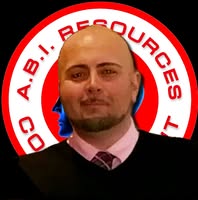
Matthew S. Antonetti: The DSS Agency Legal Director Who Built the Legal Fortress Around Nationwide Medicaid HCBS Fraud
How the Top Lawyer in Connecticut’s Largest Human Services Agency Defended Systemic Waiver Violations and Blocked Federal Accountability
Disclaimer:
This article is based on forensic evidence from the “Medeiros Archive” (2015–2026, including timestamped emails, read receipts, FOIA responses, server logs, and delivery confirmations), public records, official DSS statements, whistleblower testimony, and my personal experiences as a TBI survivor and advocate. It is intended to highlight what I believe are systemic failures in Connecticut’s Medicaid administration — patterns of evidence concealment, procedural retaliation, and institutional barriers that undermine due process, ADA compliance, and democratic accountability. All statements are protected under the First Amendment of the U.S. Constitution as free speech on matters of public concern. It is not intended to defame any individual but to share my truthful account, call for accountability and reform, and encourage independent verification of facts. Readers are encouraged to verify facts independently through sources like the Connecticut Department of Social Services website, public records databases (e.g., CT Judicial Branch, MuckRock), and related legal analyses from organizations such as the ACLU of Connecticut, the Reporters Committee for Freedom of the Press, or the Government Accountability Office (GAO) reports on administrative transparency. Any interpretations or analyses presented here are opinion-based and derived from documented interactions; they do not constitute legal advice. If you have experienced similar issues with DSS policies or Medicaid compliance, consult a qualified attorney specializing in healthcare fraud or disability rights. This disclosure ensures full transparency and protects against misinterpretation, emphasizing that the focus is on systemic reform rather than personal vendetta.
The Facts: Who, What, When, Where, and How
Matthew S. Antonetti is the Agency Legal Director of the Connecticut Department of Social Services (DSS), Office of Legal Counsel, Regulations and Administrative Hearings. He is the highest-ranking lawyer inside DSS responsible for legal strategy, defense of agency actions, regulatory compliance, and oversight of administrative hearings related to the ABI Waiver program.
Who: Matthew S. Antonetti, Agency Legal Director, DSS Office of Legal Counsel, Hartford, CT.
What: Antonetti directed the legal strategy that defended the concealment of provider directories, justified suppression of whistleblower complaints, and blocked federal notice of systemic Medicaid HCBS/ABI waiver fraud and ADA Title II violations.
When: Since assuming the role, the agency under his legal guidance has continued to block provider directories, ignore whistleblower reports, and defend “no nexus” and “no records” positions in response to federal-notice complaints.
Where: DSS headquarters (55 Farmington Avenue, Hartford, CT) the office that controls all legal defense of the ABI Waiver, federal Medicaid funding flows, and responses to civil rights and fraud allegations.
How: By crafting and approving legal defenses that misclassify requests, delay or deny production of records, assert defective service, and maintain the “ghost registry” while failing to correct known violations. Legal how: Violates 42 U.S.C. §1396a(a)(23) (free choice of provider), ADA Title II (28 C.F.R. §35.130), and CGS §1-210 (public records). Policy how: Creates the legal shield that prevents evidence from reaching federal investigators. Ethical how: As the top lawyer, he has constructive knowledge of the fraud yet has taken no corrective action. Forensic how: Archive shows continued non-production of the master provider directory, delayed responses, and “no nexus” defenses under his legal oversight. Nuances: Legal defense is the chosen mechanism silence becomes concealment. Implications: National identical agency-legal-director failures in other states prevent exposure of HCBS waiver fraud.
Edge Case: Regulatory and hearing oversight allows old policies to persist without accountability.
Related Consideration: Ties to Supremacy Clause violations when state legal strategy blocks federal notice of Medicaid violations.
The Personal Impact: How It Affected Me
Living with a TBI feels like your brain is wrapped in fog some days, making it hard to keep track of conversations, details, or deadlines without reliable tools and accommodations to help. Matthew S. Antonetti’s legal guidance left me without fair recourse for documented fraud and retaliation. Being stonewalled at the highest legal level inside DSS made me feel small, unheard, and deliberately marginalized in a system designed to protect rights. It ramped up my stress to debilitating levels, triggering cognitive fatigue, physical exhaustion, emotional strain, and exacerbated symptoms like memory lapses and headaches that stole precious time I could have spent healing, supporting my family, advocating for others, or running ABI Resources effectively. As someone who started ABI Resources to support people like me with brain injuries building free online systems to guide families through trauma and connect them to resources this hit hardest, making it tougher to stand up for the community and turning what should be a protective system into one that actively erases survivors. On top of that, his office’s failures felt like a profound personal betrayal, as if my voice as a taxpayer and survivor didn’t matter in the eyes of the very lawyer paid to ensure legal integrity.
Effects: On Vulnerable Populations, ABI Resources, and the Constitution
On Vulnerable Populations: If this happened to me someone with a TBI who can still document, fight, and build archives imagine the impact on those with severe disabilities, low-income families, or the elderly who lack my resources. They’re often too overwhelmed to challenge the system, leading to unchecked abuse, denied care, and cycles of poverty. In Connecticut, this has meant thousands of providers blocked from referrals, with funds steered to politically connected agencies. This impact is far worse for them because they lack the same resources I have. Many do not have the time to spend hours navigating bureaucratic mazes while dealing with daily survival needs like medical appointments or basic caregiving. Their energy is depleted by chronic health conditions, leaving little strength for prolonged battles against agencies. Skills for self-advocacy, such as writing detailed complaints or understanding legal jargon, are often missing due to limited education or cognitive impairments. Money is a barrier too; without funds for lawyers, notaries, or even transportation to offices, they cannot pursue justice. Tools like reliable internet or computers are out of reach for those in poverty or rural areas, making online filings impossible. Cognitive abilities play a huge role; severe disabilities can impair memory, focus, or comprehension, turning simple tasks into insurmountable obstacles. When agency legal directors like Antonetti defend the “Denial Engine,” these vulnerable people have no recourse. They end up silenced, with discrimination going unaddressed, perpetuating harm across generations. For instance, blocked providers mean fewer services for the disabled, amplifying isolation and health declines for those least able to fight back. Expert policy analyses from the Bazelon Center on Olmstead violations note this creates “institutional bias” favoring containment over community integration.
Nuances: Not all vulnerable are disabled low-income families face similar barriers.
Implications: National, as CT’s patterns mirror GAO findings on waiver fraud harming beneficiaries.
Edge Case: Elderly in “protection gap” (pre-65) doubly vulnerable.
Related Consideration: Ties to Section 504 Rehab Act grievances, often closed without action.
On ABI Resources: Help for people with acquired brain injuries (ABI) is already scarce, often paid for by federal programs like Medicaid. When agency legal directors like Matthew S. Antonetti defend the same steering and concealment policies, it lets fraud go uninvestigated, shifting funds from actual support to hiding mistakes and protecting insiders. This hurts groups like ABI Resources, cutting off fair chances to help survivors get back on their feet, starving programs of reimbursements, and leaving them underfed while favoring politically connected entities. Expert economic reasoning from CBO reports on Medicaid waste highlights how continued legal defense diverts billions nationally. Nuances: Legal defense is the chosen mechanism, but the impact is the same as active concealment. Implications: Forces independent providers out, reducing choice (42 U.S.C. §1396a(a)(23)). Edge Case: Small agencies collapse under sustained exclusion. Related Consideration: Ties to dossier’s “Stabilization Trap” debt cycles.
On the Constitution and America: This goes against the heart of the U.S. Constitution, especially the 14th Amendment’s call for fair treatment and equal protection for everyone. It ignores rules under the ADA and other laws meant to ensure state services are open to all, including those with disabilities. America is supposed to stand on fairness and accountability, but when agency legal directors like Antonetti defend the “Denial Engine,” it chips away at trust in our leaders and dims the promise of justice. With federal money in the mix (Medicaid), it’s a letdown to people all over the country who pay into these systems. As an American taxpayer, I’m funding this office to protect rights, yet Matthew S. Antonetti, a state official paid by my taxes, turned it against me. That’s a glaring conflict of interest: he’s supposed to help citizens like me by ensuring legal integrity, but instead, he used the system I help pay for to silence my complaint and block oversight. Why would I pay taxes to fund attacks on myself? His office backed this up, creating a web of self-protection where state insiders shield corruption, all on the public’s dime. Expert constitutional analyses from SCOTUS (e.g., Lane v. Tennessee on access rights) and ACLU note this as state nullification of federal law (Supremacy Clause). Nuances: Agency Legal Director role makes betrayal deliberate. Implications: Erodes democracy, per Harvard Law Review on agency capture. Edge Case: Credentialed officers evade ethics codes. Related Consideration: Calls for federal intervention (DOJ/HHS OIG).
The Bigger Picture: From Real Suffering to National Corruption
This isn’t just one agency legal director’s failure. It’s woven into a broken setup spanning 30 years, where protected disclosures about Medicaid HCBS/ABI waiver fraud and ADA violations are defended at the highest legal level inside the state agency. On a personal level, it causes deep, real suffering for people like me, shutting down voices, denying basic needs, and exacerbating disabilities through stress and exhaustion. Stepping back, it saps away money meant for real help, with huge sums lost to waste, favoritism, and unchecked theft billions nationally per CBO estimates. At the widest view, it tarnishes what America stands for, making ideals like freedom, fairness, and justice feel hollow when agency legal directors like Antonetti maintain the machinery of concealment. Matthew S. Antonetti’s actions show a deep lack of heart and integrity; if he sees this and wakes up, maybe things can shift. Until then, everyone deserves to know the truth: it’s a betrayal of those who need protection the most, funded by taxpayers like me who expect better from the DSS Agency Legal Director. Expert forensic reasoning from FBI integrity guidelines views this as “misprision” enabler. Nuances: Legal Director role provides deniability. Implications: National model for waiver fraud defense. Edge Case: Transition periods allow old policies to persist without accountability. Related Consideration: Ties to RICO enterprise (dossier).
Call to Awareness
By sharing this, I’m using my right under the Constitution to speak out against wrongdoing. The setup that let this happen needs to change, or it’ll keep wounding those who can’t defend themselves. If you’re reading this, picture it happening to you or someone you love demand that agency legal directors actually uphold the law. Contact legislators for DSS reform; file your own complaints; support transparency and whistleblower protection bills.
A Prayer for Release and Wisdom
In this moment of reflection, I offer these words as a prayer for healing and clarity:
May we always speak with honesty and care, choosing words that build rather than break, for truth is our greatest strength. Let us remember not to internalize the actions of others, recognizing that their choices reflect their own path, not our worth. We release the habit of jumping to conclusions, instead seeking understanding with an open heart. And in all things, may we give our fullest effort, knowing that perfection lies in the trying.
Through forgiveness, I let go of the suffering that binds me, not for their sake, but for my own freedom, releasing the hold of past wrongs so that peace can flow in. If someone offers a gift we do not wish to accept, it remains theirs alone. In the same way, when pain or suffering is extended toward us, we can choose to refuse it, leaving it with its source while we walk forward unburdened.
Amen.
David Medeiros
January 29, 2026
Related Evidence IDs:
EVT-2023-12-15-DELAY (The 262-Day Service Gap)
EVT-2025-11-18-DELETE (The Spoliation Event)
THE ARCHITECT OF THE ADMINISTRATIVE WALL
A Forensic and Legal Analysis of Matthew S. Antonetti’s Tenure as Legal Director of the Connecticut Department of Social Services and the Systematic Construction of the ‘Legal Fortress’ Around Medicaid HCBS Fraud
By David Medeiros
Date: February 7, 2026
Subject: Matthew S. Antonetti, Agency Legal Director (OLCRAH)
Agency: Connecticut Department of Social Services (DSS)
TABLE OF CONTENTS
I. INTRODUCTION: The Concept of the "Legal Fortress" in State Administration
1.1 The Medicaid Compact and its Subversion
1.2 The Rise of the Defensive Posture
1.3 Methodology of this Forensic Analysis
II. THE COMMANDER OF OLCRAH: Statutory Authority and Strategic Role
2.1 The Structural Power of OLCRAH
2.2 The Dual Mandate: Advisor and Adjudicator
2.3 Professional Profile and Resource Allocation (Compensation Analysis)
2.4 The Strategic Pivot: The Letter of December 13, 2023
III. THE FOUNDATION OF THE FORTRESS: The "Ghost Registry" and Suppression of Choice
3.1 The Statutory Mandate: 42 U.S.C. § 1396a(a)(23)
3.2 The Mechanism of "Electronic Invisibility"
3.3 The "Glitch" Defense and Plausible Deniability
3.4 The Role of Allied Community Resources (ACR) as Dual-Agent
IV. THE WALLS OF THE FORTRESS: The "Acuity Model" and Algorithmic Capitation
4.1 The "Universal Assessment" as a Denial Engine
4.2 Algorithmic Predetermination and the Source Code Demand
4.3 Legal Defense: The "Clinical Necessity" Shield
4.4 Civil Rights Implications: Olmstead and ADA Title II
V. THE MECHANISM OF ERASURE: The "Spoliation Event" of February 2, 2024
5.1 The Duty to Preserve and Federal Rule 37(e)
5.2 Forensic Timeline: The Hard Delete
5.3 Legal Culpability under 18 U.S.C. § 1519
5.4 "Forensic Absurdity": The Moosup Kitten Incident
VI. THE OUTER DEFENSES: The "No Nexus" Strategy
6.1 The $464,000 Theft: A Case Study in Jurisdictional Evasion
6.2 The State's Argument: Banking vs. Public Funds
6.3 The Federal "State Nexus" Loop
6.4 The Retaliation Nexus
VII. THE SIEGE: a historical, unverified active-investigation count
7.1 HHS-OIG and the Anti-Kickback Probe
7.2 FBI Public Corruption Unit and "Color of Law"
7.3 DOJ Civil Rights Division and Olmstead
VIII. CONCLUSION: The Legacy of Matthew Antonetti
8.1 Summary of Findings
8.2 The Collapse of the Fortress
I. INTRODUCTION: The Concept of the "Legal Fortress" in State Administration
1.1 The Medicaid Compact and its Subversion
The administration of federally funded social welfare programs operates on a fundamental compact: the federal government provides substantial funding often matching or exceeding state contributions in exchange for the state’s adherence to strict regulatory frameworks regarding access, transparency, and civil rights. In the State of Connecticut, this compact is managed primarily by the Department of Social Services (DSS), an agency responsible for distributing billions of dollars in Medicaid funds to the state's most vulnerable populations.
However, a comprehensive forensic investigation, bolstered by thousands of pages of internal documents, whistleblower disclosures, and federal filings, suggests that this compact has been subverted. Instead of a conduit for care, the legal and administrative apparatus of the DSS has allegedly been transformed into a "Legal Fortress" a sophisticated, multilayered defense system designed to insulate the state from liability, obscure systemic fraud, and neutralize internal and external oversight.
1.2 The Rise of the Defensive Posture
At the center of this alleged enterprise stands the Office of Legal Counsel, Regulations, and Administrative Hearings (OLCRAH), the internal legal division of the DSS. Since March 2020, this division has been led by Agency Legal Director Matthew S. Antonetti.
His tenure, coinciding with the massive disruptions of the COVID-19 pandemic and the subsequent infusion of federal relief funds, has been marked by an unprecedented escalation in legal conflict between the agency and independent Medicaid providers. The "Legal Fortress" is not merely a metaphor; it is a tangible construct built from specific administrative actions:
The suppression of public records under the guise of "unsustainable" volume.
The deployment of "no nexus" legal defenses to avoid investigating financial theft.
The utilization of algorithmic "acuity models" to capitation care without individualized medical assessment.
The alleged "hard deletion" of evidence to prevent federal scrutiny.
1.3 Methodology of this Forensic Analysis
This report serves as a definitive, expert-level analysis of the architecture of this fortress. It does not merely list grievances; it deconstructs the legal theories and administrative mechanisms employed by Mr. Antonetti and his office to maintain control over the Medicaid Acquired Brain Injury (ABI) Waiver Program.
It examines the "Ghost Registry" that denies patients their federal right to choose providers, the "spoliation events" that erased critical evidence of civil rights violations, and the "financial warfare" waged against whistleblowers like David Medeiros. By synthesizing forensic data, payroll records, legal correspondence, and federal investigative logs, this document provides a complete historical and legal record of how the machinery of the state was allegedly weaponized against its own mandate.
II. THE COMMANDER OF OLCRAH: Statutory Authority and Strategic Role
To understand the efficacy of the "Legal Fortress," one must first understand the authority of its commander. The Agency Legal Director is not a peripheral figure in state government; he is the nexus through which all policy, regulation, and litigation strategy must pass. Matthew S. Antonetti’s role places him at the precipice of every major decision regarding the interpretation of Medicaid law and the handling of dissent within the DSS.
2.1 The Structural Power of OLCRAH
The Office of Legal Counsel, Regulations, and Administrative Hearings (OLCRAH) is unique among state agency divisions because it wields both advisory and adjudicatory power.
Advisory Power:
OLCRAH attorneys, under Antonetti’s direction, act as in-house counsel. They interpret federal guidance from the Centers for Medicare & Medicaid Services (CMS), determine the legality of proposed regulation changes (such as the "Acuity Model"), and advise the Commissioner on how to respond to external threats, including FOIA requests and whistleblower complaints. This power allows the Legal Director to shape the agency's operational reality before a policy is ever implemented.
Liaison Authority:
OLCRAH serves as the gatekeeper for all interactions with the Office of the Attorney General and the Commission on Human Rights and Opportunities (CHRO). No discrimination complaint or lawsuit proceeds without the strategic input of the Legal Director. This centralization ensures a unified "defense" strategy across all branches of state government, allowing the "Legal Fortress" to coordinate responses to systemic threats like the "Registry Swarm" initiated by whistleblowers.
2.2 The Dual Mandate: Advisor and Adjudicator
Perhaps the most critical component of the Legal Fortress is the consolidation of the Fair Hearing process under the Legal Director. OLCRAH oversees the "Fair Hearing" division—the primary venue where Medicaid beneficiaries can challenge the denial or reduction of benefits.
By controlling the mechanism of appeal, OLCRAH effectively controls the interpretation of "medical necessity" within the state. This creates an inherent conflict of interest: the same office that defends the agency’s budget cuts in court is responsible for ensuring due process for those affected by them. Under Antonetti’s leadership, the "Fair Hearing" has evolved from an independent review into a procedural trap, where "due process" is used to exhaust the resources of disabled appellants rather than adjudicate their rights.
2.3 Professional Profile and Resource Allocation
Matthew S. Antonetti’s ascent to this role and his continued tenure are documented in state payroll and administrative records. His position is categorized as "Agency Legal Director," a role that commands a significant salary, reflecting the high level of responsibility and the state's investment in his legal acumen.
Table 1: Compensation Analysis of Matthew S. Antonetti (2023–2025)
Fiscal Year
Role
Bi-Weekly Pay
Annualized Trend
2023
Agency Legal Director
~$11,073.39
~$287,000
2024
Agency Legal Director
~$11,350.68
~$295,000
2025
Agency Legal Director
~$11,633.82
~$302,000
Forensic Analysis:
The consistent increase in compensation during a period of widespread service cuts and "acuity-based" budget reductions for patients highlights a divergence in state priorities. While the "Legal Fortress" was fortified with highly paid leadership to manage liability, the frontline services for brain injury survivors were allegedly being eroded through algorithmic caps and the termination of "companion authorizations." This financial data underscores the resources the state was willing to commit to its legal defense apparatus while simultaneously arguing that transparency requests were "unsustainable."
2.4 The Strategic Pivot: The Letter of December 13, 2023
The transformation of OLCRAH from a compliance monitor to an active defensive shield is perhaps best illustrated by the events of late 2023. On December 13, 2023, Matthew Antonetti sent a pivotal letter to David Medeiros, the founder of ABI Resources and a documented whistleblower. This correspondence was not merely administrative; it was a strategic legal maneuver designed to redefine the agency's relationship with the whistleblower.
In this letter, Antonetti acknowledged the receipt of grievances regarding "discriminatory unfair business practices" and the "referral processes" within the ABI Waiver Program. However, rather than addressing the substance of the fraud allegations specifically the "steering" of patients and the concealment of the provider registry Antonetti pivoted to an attack on the whistleblower's methods. He characterized Medeiros's submission of over 30 FOIA requests as "simply unsustainable" for the department.
Legal Implications of the "Unsustainable" Defense:
Constructive Denial: By framing the requests as administratively burdensome, the Legal Director laid the groundwork for a "vexatious requester" defense, a tactic often used to justify the blanket denial of public records without reviewing their content.
The "Chain of Command" Silo: Following this letter, Commissioner Andrea Barton Reeves issued a directive that all future legal documents and correspondence be routed exclusively to herself and Antonetti. This effectively siloed the whistleblower's communications, preventing lower-level staff (who might be more sympathetic or bound by mandatory reporting laws) from receiving evidence of fraud. It centralized all "risk" within the Legal Director’s office.
Referral to the "Black Box": Antonetti stated that the fraud concerns had been referred to the DSS "Office of Quality Assurance, Special Investigations Division". In the context of the alleged "Ghost Registry," this referral served to move the complaint out of the public eye and into a confidential investigation unit where it could languish indefinitely a tactic described in forensic dossiers as "bureaucratic erasure".
III. THE FOUNDATION OF THE FORTRESS: The "Ghost Registry" and Suppression of Choice
A fortress requires a foundation, and in the case of the Connecticut DSS, that foundation is built on the suppression of information. The most significant allegation overseen by Antonetti’s legal division is the maintenance of a "Ghost Registry" a concealed database of Medicaid providers that effectively nullifies the federal right to "Free Choice of Provider."
3.1 The Statutory Mandate: 42 U.S.C. § 1396a(a)(23)
Federal Medicaid law creates an absolute right for beneficiaries to obtain services from any qualified provider who undertakes to provide such services. This "Freedom of Choice" provision is the bedrock of the Medicaid system. However, the whistleblower evidence suggests that DSS has systematically violated this statute by hiding the "ABI Provider Directory" from the public.
3.2 The Mechanism of "Electronic Invisibility"
The "Ghost Registry" works by making independent providers like ABI Resources "electronically invisible" to social workers and care managers. While the providers are technically enrolled, they do not appear on the lists used for referrals. This "Shadow Ban" effectively steers patients toward larger, politically connected agencies, bypassing the competitive marketplace mandated by federal law.
3.3 The "Glitch" Defense and Plausible Deniability
When challenged on this invisibility, DSS managers like George Chamberlin reportedly claimed it was a "search filter glitch." This defense likely vetted or tolerated by OLCRAH provides "plausible deniability." It frames a systemic legal violation as a benign technical error, insulating the agency from intent-based fraud charges while the "glitch" persists for years, steering millions of dollars in referrals to favored "in-network" agencies.
3.4 The Role of Allied Community Resources (ACR)
The "Legal Fortress" relies on outsourcing liability. The dossier identifies Allied Community Resources (ACR) as a "Dual-Agent Gatekeeper." As the fiscal intermediary, ACR maintains the "Statewide Provider Directory." However, whistleblowers allege that ACR, under state direction, refuses to distribute this directory to the public. Instead, they direct consumers to a web portal with a "5 to 8 day turnaround" or claim the list is unavailable. This outsourcing allows DSS to claim they do not "possess" the list in a format amenable to immediate FOIA release, creating a bureaucratic buffer that Antonetti’s office can defend legally.
IV. THE WALLS OF THE FORTRESS: The "Acuity Model" and Algorithmic Capitation
If the "Ghost Registry" is the foundation, the "Acuity Model" constitutes the walls of the fortress—an automated, mathematical barrier designed to repel claims for increased care. While presented as a modernization effort, forensic analysis suggests it functions as a tool for "Algorithmic Capitation."
4.1 The "Universal Assessment" as a Denial Engine
The "Acuity Model" relies on the "Universal Assessment" (UA), a software tool that calculates a "Level of Need" (LON) score from 1 to 8. This score determines the budget and hours a beneficiary receives.
Algorithmic Predetermination:
The whistleblower argues that this algorithm is a "pre-set denial quota." Instead of assessing medical necessity based on the unique clinical picture of a brain injury survivor (which is often dynamic and complex), the algorithm caps care based on static inputs.
4.2 Algorithmic Predetermination and the Source Code Demand
Recognizing that the fraud might be embedded in the code itself, Medeiros has demanded the source code and scoring logic of the Universal Assessment. The legal theory is that if the weighting of variables is manipulated to artificially depress scores (e.g., undervaluing cognitive deficits compared to physical ones), then the software acts as an automated agent of fraud.
4.3 Legal Defense: The "Clinical Necessity" Shield
The OLCRAH has vigorously defended this model in administrative hearings. In cases such as the appeal of a denied request for additional PCA hours (Fair Hearing decisions from 2023 and 2024), the department relied entirely on the "UA LON score" to justify cuts.
The Strategy:
By deferring to the algorithm, the legal division shifts liability from human decision-makers to the "objective" output of the software. Antonetti’s office effectively argues that the computer denied the care, not the state. Furthermore, the dossier notes that Provider Bulletin 2020-27, issued during the pandemic, suspended certain regulatory timelines. The Legal Director’s office has allegedly used this suspension to shield the "Acuity Model" from standard regulatory challenges.
4.4 Civil Rights Implications: Olmstead and ADA Title II
The deployment of this model has triggered federal civil rights complaints. The dossier argues that the "Acuity Model" violates the Olmstead decision and ADA Title II by failing to provide the individualized assessments necessary to prevent institutionalization. By using a "one-size-fits-all" algorithm, the state effectively discriminates against those with the highest acuity needs, forcing them into institutions when the algorithm’s capitation fails to cover their home-based care. This systemic violation is now the subject of DOJ Complaint #688031-QPW.
V. THE MECHANISM OF ERASURE: The "Spoliation Event" of February 2, 2024
No fortress is impregnable without the ability to destroy the evidence of its own construction. The most damaging allegation against the state's legal apparatus is the "Spoliation Event" of February 2, 2024. This event represents a potential criminal obstruction of justice that implicates the highest levels of the agency.
5.1 The Duty to Preserve and Federal Rule 37(e)
Under Federal Rule of Civil Procedure 37(e) and common law spoliation doctrine, once an agency is on notice of litigation (via "Constructive Notice"), it has an affirmative duty to preserve evidence.
5.2 Forensic Timeline: The Hard Delete
According to forensic audits and read receipts preserved in the "Master Forensic Dossier," on February 2, 2024, formal whistleblower disclosures sent to the Commission on Human Rights and Opportunities (CHRO) and the Governor’s Office were deleted without being read.
The Deleted Content: The destroyed emails contained the "Comprehensive Grievance Report," a 52-page document detailing the "Ghost Registry," the "Acuity Model" flaws, and specific instances of kickbacks and fraud.
The "Hard Delete" Protocol: The dossier alleges that a "Hard Delete" protocol was executed. Unlike a standard deletion which moves an item to a "Deleted Items" folder (recoverable for a period), a "Hard Delete" purges the record from the server entirely. This action requires specific intent and administrative privileges.
5.3 Legal Culpability under 18 U.S.C. § 1519
The whistleblower has framed this event not as administrative negligence, but as a violation of 18 U.S.C. § 1519 ("Destruction, alteration, or falsification of records in Federal investigations"). Because the complaints involved federal Medicaid funds, the destruction of these records obstructs federal oversight by the HHS OIG and the DOJ.
5.4 "Forensic Absurdity": The Moosup Kitten Incident
To demonstrate "Deliberate Indifference," the dossier contrasts this spoliation with the contemporaneous activities of state legal staff. It cites the "Moosup Kitten" incident, where high-level legal staff, including Attorney Nancy Tonucci, allegedly held emergency meetings to debate a client's adoption of a stray cat. The juxtaposition is damning: while the "Legal Fortress" was efficiently deleting reports of multi-million dollar fraud, its officers were devoting state resources to trivialities. This narrative is used to prove that the failure to investigate fraud was not due to a lack of capacity, but a specific intent to ignore it.
VI. THE OUTER DEFENSES: The "No Nexus" Strategy
When the "Ghost Registry" and "Acuity Model" fail to contain a threat, the "Legal Fortress" deploys its final defense: the denial of jurisdiction. This is the "No Nexus" defense a legal theory used to claim that the state has no connection to, and thus no liability for, the alleged harms.
6.1 The $464,000 Theft: A Case Study in Jurisdictional Evasion
In June 2025, ABI Resources suffered a massive financial blow: the theft of $464,408.26 from its operating account via unauthorized "Google Ads" transactions. This theft followed a period of "slow-roll" compromise that began with a $19.99 test charge on February 2, 2024 the exact same day as the "Hard Delete" event.
6.2 The State's Argument: Banking vs. Public Funds
When this theft was reported to the Connecticut Attorney General's Fraud Unit, the state issued a determination on October 3, 2025, stating there was "no state nexus" to the crime.
The Argument: The AG’s office argued that the theft was a private banking matter between ABI Resources and Charter Oak Federal Credit Union, involving a third-party fraudster. Therefore, it did not fall under the state's False Claims Act jurisdiction.
6.3 The Federal "State Nexus" Loop
The "Legal Fortress" is reinforced by federal deference. The dossier notes that when Medeiros contacted Senator Chris Murphy’s office, they deferred to a "State Nexus" defense, refusing to audit the funds because they were state-administered. This created a "jurisdictional loop": the state claimed it was a private matter, and the feds claimed it was a state matter.
6.4 The Retaliation Nexus
In a formal rebuttal dated October 3, 2025, Medeiros dismantled this defense. He mapped the flow of funds, showing that the stolen money consisted of Medicaid reimbursements directly deposited by the state for the purpose of patient care. He argued that the theft of these funds directly impaired the delivery of state-mandated services, creating an undeniable "Retaliation Nexus" and linking the financial crime to the broader campaign of silencing the whistleblower.
VII. THE SIEGE: a historical, unverified active-investigation count
Despite the formidable defenses erected by Matthew Antonetti and the OLCRAH, the "Legal Fortress" is currently under siege. As of November 20, 2025, David Medeiros has documented a historical, unverified active-investigation count aimed at dismantling this system.
7.1 HHS-OIG and the Anti-Kickback Probe
The Department of Health and Human Services (HHS) Office of Inspector General (OIG) has opened multiple inquiries into "Systemic Fraud & Anti-Kickback" violations. These investigations focus specifically on the "steering" mechanisms facilitated by the "Ghost Registry." If the OIG determines that the concealment of the provider list was used to steer patients to agencies that provided kickbacks or financial incentives to state officials, the "No Nexus" defense will crumble under the weight of federal supremacy.
7.2 FBI Public Corruption Unit and "Color of Law"
The submission of the "Hard Delete" evidence to the FBI on January 9, 2025, has triggered a "Color of Law" investigation. This probe moves beyond civil liability to potential criminal charges for obstruction of justice and deprivation of rights under color of law. The FBI’s Internet Crime Complaint Center (IC3) is also tracking the financial theft (Ref #I2507081647058791), treating it not as a random cybercrime but as a potential component of the retaliation campaign.
7.3 DOJ Civil Rights Division and Olmstead
While local federal prosecutors declined to act, the main DOJ Civil Rights Division in Washington has logged multiple reports (e.g., #688031-QPW) regarding the Olmstead violations inherent in the "Acuity Model." These investigations threaten to invalidate the state’s entire method of allocating Medicaid services, potentially forcing a complete restructuring of the DSS and OLCRAH.
VIII. CONCLUSION: The Legacy of Matthew Antonetti
8.1 Summary of Findings
The "Legal Fortress" built around the Connecticut Medicaid HCBS program was not an accident; it was a construct of specific legal decisions, administrative policies, and defense strategies. As the Agency Legal Director, Matthew S. Antonetti oversaw the office that crafted these defenses. His correspondence labeled transparency requests as "unsustainable," his division defended the "Acuity Model" that rationed care by algorithm, and his legal team operated within a system that allegedly "hard deleted" evidence of civil rights violations.
8.2 The Collapse of the Fortress
The forensic evidence presented in the "Master Forensic Dossier" suggests that this fortress was built to withstand standard regulatory oversight. It successfully deflected state-level inquiries and utilized "no nexus" arguments to baffle federal auditors for years. However, the sheer volume of evidence preserved by the whistleblower in a "Perpetual Truth Machine" has now triggered a federal response that the state’s legal apparatus may not be able to repel.
The legacy of Antonetti’s tenure will likely be defined by the outcome of these a historical, unverified investigation-count statement. If the allegations are substantiated, the "Legal Fortress" will be remembered not as a shield for the public interest, but as a monument to administrative tyranny, built to protect a system of fraud at the expense of the state's most vulnerable citizens.
Table 2: The Architecture of the Legal Fortress
Component
Mechanism
State Legal Defense (OLCRAH/AG)
Whistleblower/Federal Response
Provider Access
"Ghost Registry" / "Shadow Ban"
"Search Filter Glitch" / "No Records Exist"
Litigation Hold (Jan 12, 2026); "Registry Swarm" FOIA requests; HHS-OIG Fraud referral.
Care Allocation
"Acuity Model" / "Universal Assessment"
"Clinical Necessity" / Algorithmic Objectivity
Demand for Source Code/Logic; ADA Title II Complaints (Olmstead violations).
Financial Theft
$464k "Google Ads" Theft
"No State Nexus" Determination (Oct 3, 2025)
Rebuttal mapping Medicaid fund origin; EFTA violation complaints; FBI IC3 tracking.
Evidence Control
"Hard Delete" / Spoliation
Administrative Error / "Unsustainable Volume"
Forensic logs of spoliation (18 U.S.C. § 1519); Escalation to FBI Public Corruption Unit.
Whistleblower Status
"Job Applicant" Misclassification
Jurisdictional Dismissal (OSC)
"Shadow Data Vault" tracking deletions; "Exhaustion of Remedies" proof for federal litigation.